Executive summary
An asphalt-on-asphalt overlay places a new asphalt lift over existing asphalt pavement. It can extend the life of a structurally sound pavement when project selection, surface preparation, bonding, mix design, and compaction are handled correctly. When the underlying structure is still performing, a well-designed overlay can restore ride quality and surface function with less disruption than full-depth reconstruction.
At the same time, the asphalt industry is under pressure to reduce energy use and greenhouse gas emissions. The fastest path has been lowering production temperatures (Warm Mix Asphalt, WMA) and increasing recycling rates (Reclaimed Asphalt Pavement, RAP). These sustainability moves can improve constructability—but they also raise performance design questions that must be handled deliberately (rutting vs. cracking balance, moisture sensitivity, and bonding between lifts).
This article focuses on the technical essentials that determine whether an overlay becomes a long-lasting preservation treatment or an expensive early failure.
1) Pavement fundamentals (what you’re building on)
Road pavements are engineered layered systems designed to distribute loads, resist friction, and maintain a continuous running surface. In practice, they are commonly grouped by structural behavior:
- Flexible pavements: Asphalt and granular systems with low flexural strength that distribute load through compressive and shear stresses.
- Rigid pavements: Portland cement concrete systems that distribute load through plate action.
- Semi-rigid pavements: Hybrid structures (often cement-stabilized layers) that sit between flexible and rigid behavior.
A typical asphalt pavement includes a prepared subgrade, base/sub-base layers, and one or more asphalt lifts (surface and sometimes intermediate/binder layers).
Common distresses (the “symptoms” overlays must manage)
Distresses drive maintenance decisions and overlay design choices:
- Cracking
- Reflective cracking: Cracks in the existing pavement propagate upward into a new overlay (a common mill-and-overlay risk).
- Fatigue (alligator) cracking: Load-related cracking indicating structural deficiency.
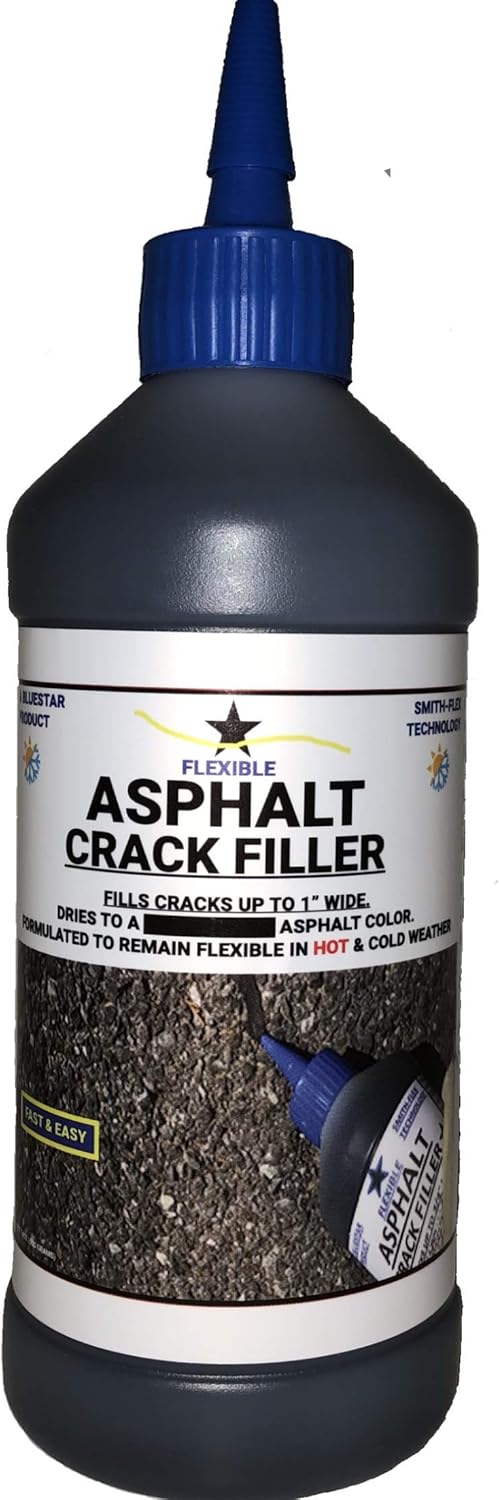
- Longitudinal/transverse cracking: Often managed with crack sealing and drainage improvements.
- Rutting: Permanent deformation in wheel paths. Severe rutting may require milling and leveling before overlay placement.
- Other: Raveling/weathering, friction loss, roughness, and bleeding.
Balanced mix design (rutting vs. cracking)
Overlay success depends heavily on mix design that balances two competing failure modes:
- Too dry / too stiff (low binder): brittle mix, elevated cracking risk.
- Too wet / too soft (high binder): unstable mix, elevated rutting risk.
Balanced Mix Design (BMD) is the practical framework: select binder content and mix structure to meet both cracking and rutting performance targets for the project’s climate, traffic, and layer function.
2) Sustainability in asphalt production (lower temperature, higher recycling)
Traditional Hot Mix Asphalt (HMA) production is energy-intensive because aggregates must be heated and dried, and binder viscosity must be reduced enough to coat aggregates uniformly. Moisture is a major driver of energy demand and emissions.
Warm Mix Asphalt (WMA)
WMA lowers production and placement temperatures compared with conventional HMA.
- Energy and emissions: Lower production temperatures can reduce fuel use and worker exposure to fumes; the measured benefit depends on plant configuration, aggregate moisture, haul, and technology.
- Workability: Longer compaction window (slower cooling) can improve field density—especially valuable for thin lifts and shoulder-season paving.
- Recycling synergy: Lower temperatures can enable higher recycled content (e.g., RAP), while reducing thermal aging and fumes.
Reclaimed Asphalt Pavement (RAP)
RAP is a cornerstone of sustainability and cost control.
- Resource conservation: RAP replaces a portion of virgin aggregate and binder according to its composition and the accepted mix design.
- Economics and emissions: Benefits depend on processing, moisture, haul distance, virgin-material prices, binder replacement, testing, and service life.
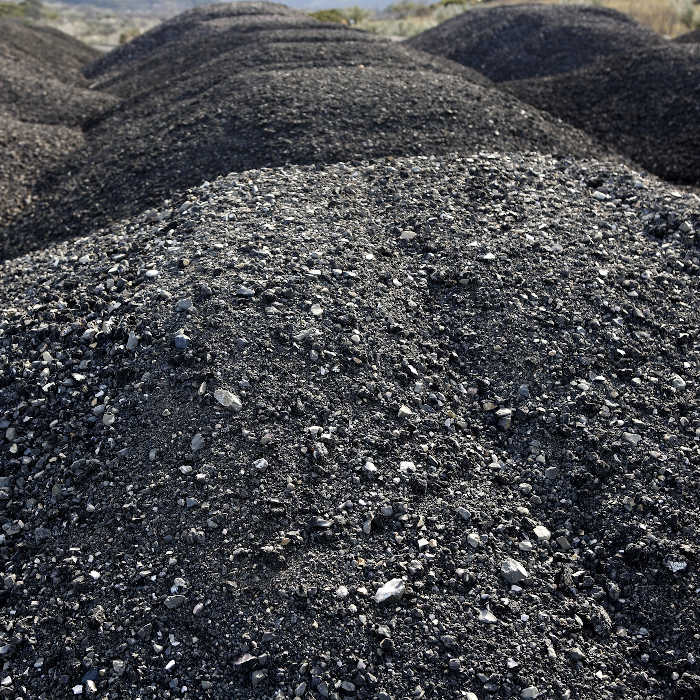
- Performance trade-offs: RAP binder is aged and stiff—helpful for rut resistance, but it can increase fatigue and thermal cracking risk at higher percentages unless mitigated (softer virgin binders, rejuvenators, or design adjustments).
- Specification reality: Agency limits and binder-replacement rules vary. Higher contents require characterization and performance-based justification under the owner’s specification.
Other sustainable modifiers and replacements
Additional pathways toward a circular economy include:
- Crumb rubber (tire-derived modifiers) to improve performance in specific applications.
- Recycled concrete aggregates (RCA), often requiring additional binder due to absorption.
- Bio-binders from renewable sources that can partially replace petroleum-based binder.
- Industrial byproducts (e.g., fly ash, slag) used as fillers or aggregate replacements in some contexts.
Project environmental comparisons should state their functional unit, system boundary, mixture, moisture, plant fuel, haul, construction, maintenance, and analysis period. A single production-energy table cannot establish lifecycle superiority.
3) Maintenance strategy: overlays as preservation (not reconstruction)
Pavement preservation is increasingly preferred over full-depth reconstruction when the structure is still sound. The key is selecting the right treatment for the right pavement condition.
Repair and overlay options (at a glance)
- Asphalt overlay: A new lift over a structurally sound pavement to address surface defects, minor cracking, and ride quality.
- Mill and overlay: Milling removes distressed surface and restores profile before placing the overlay; reflective cracking risk increases if underlying issues aren’t addressed.
- Remove and replace: Full-depth removal and reconstruction; highest disruption and cost, but necessary for structural failure.
Thin asphalt overlays
Thin overlays have been used for decades as a high-value preservation treatment.
- Typical thickness: Thin-overlay thickness and aggregate size are selected together under the agency or owner specification.
- Benefits:
- Can extend service life when the existing pavement and treatment timing are appropriate.
- Improves ride quality and surface friction.
- Maintains grade and drainage with minimal profile changes.
- Project selection: Best for pavements in fair-to-good condition with low-to-moderate distress. Thin overlays do not “fix” deep structural failures.
4) Construction essentials: where overlays succeed or fail
The shortest path to overlay failure is skipping bonding, prep, or compaction fundamentals. Overlays are thin by design; that makes them sensitive to workmanship and interface condition.
Surface preparation (non-negotiable)
- Crack treatment: Crack sealing (and in some cases filling) is critical to reduce reflective cracking risk.
- Milling: Removes surface defects, corrects rutting, and improves smoothness; also helps restore curb/gutter reveal and drainage geometry.
- Cleaning: A clean, dry surface improves bonding. Remove debris, dust, raised markers, and thermoplastic that could melt and bleed through.
Tack coat (bond strength between lifts)
A tack coat is a thin application of asphalt emulsion/binder that promotes bonding between the existing pavement and the new overlay.
- Why it matters: Poor tack coat practices (wrong rate, uneven coverage, dirty surface) can cause interface slippage, increased rutting, and early delamination.
- Materials: Common options include asphalt emulsions (e.g., SS-1hP), cutbacks (where allowed), and paving binders; agency specs typically define acceptable products and application ranges.
- Field reality: Uniformity is as important as target rate—coverage gaps are failure initiators.
Standards and specifications (pick early)
Identify the governing owner and current specification before mix design or bidding. Municipal standard specifications, state DOT requirements, and project special provisions may define different mixtures, RAP rules, tack materials, equipment, sampling, payment, and dispute procedures. Do not combine requirements from different specification systems without written direction.
5) Quality control and assurance (QC/QA)
Overlay performance is strongly correlated with process control—especially temperature, binder content, gradation, and field density.
- Plant monitoring: Aggregate gradation and moisture, mix temperature, and asphalt content.
- Sampling/testing plans: A defined sampling control plan for aggregates, binder, and produced mix at plant and site; retain split samples for verification.
- In-place density: Thin lifts cool quickly and can be hard to test reliably; daily calibration and a consistent rolling pattern are practical tools.
- Dispute resolution: When results conflict, a documented third-party verification path prevents schedule and payment disputes from becoming performance compromises.
6) Utility structures and transitions
Manholes, inlets, curb returns, bridge approaches, and utility cuts can dominate localized roughness and early distress. Their adjustment method, support, compaction, final elevation, and approved materials should be detailed in the project documents. Product marketing is not a substitute for owner approval or a load-rated installation detail.
Conclusion
Asphalt-on-asphalt overlays deliver excellent value when they are treated as an engineered system: correct project selection, balanced mix design, disciplined surface preparation, and reliable bonding (tack coat) matter as much as the mix itself.
Sustainability strategies—especially WMA and RAP—can reduce emissions and cost, but they must be paired with performance-focused design and QC/QA so that overlays last long enough to realize those benefits.
Sources and specification note
- FHWA Warm Mix Asphalt
- FHWA: Reclaimed Asphalt Pavement in Asphalt Mixtures
- FHWA asphalt pavement resources
Confirm agency approval, loading, elevations, and installation details with the project owner and current specification. For repair-versus-overlay selection, see the pavement lifecycle decision guide; for reclaimed material quantity, use the millings calculator with a source-specific bulk density.